CALL US (520) 347-8200
Phoenix Mobile Notary Public Logo Phoenix Mobile Notary Public
Schedule an Appointment

Frequently Asked Questions

What if I don’t have a valid government-issued ID?

If you lack a current government-issued ID, you may use a credible witness. This is someone who personally knows you well, has valid government-issued identification, and is willing to swear to your identity.


More Frequently Asked Questions:

Can a notarization be done remotely?

Currently, Phoenix Mobile Notary Public only provides in-person notarization services. View FAQ →

Can a notary refuse to notarize a document?

Yes, a notary may refuse if identification is invalid, the signer is unwilling, or the document is incomplete. View FAQ →

Can I change my child's last name without the other parent's consent?

No, if your child is under 18, the other parent must consent to the name change. View FAQ →

Can I get multiple documents notarized in one appointment?

Yes, we can notarize multiple documents during a single visit. View FAQ →

Can I use an expired ID for notarization?

No, IDs must be current and unexpired to be accepted for notarization. View FAQ →

Can you advise me on which documents I need?

As a notary, we are not authorized to provide legal advice. However, we can offer general information. For estate planning, common documents include a Last Will, Health Care Power of Attorney, Durable Financial Power of Attorney, and a Living Will. Feel free to reach out if you have any questions—We’re happy to assist.

View FAQ →

Can you notarize business documents?

Yes, we notarize contracts, agreements, articles of incorporation, and other business-related paperwork. View FAQ →

Can you notarize power of attorney documents?

Yes, we notarize power of attorney forms, ensuring they meet legal requirements. View FAQ →

Do all signers need to be present for notarization?

Yes, all parties signing the document must be physically present with valid identification. View FAQ →

Do I need a Last Will?

Yes, every adult should have a Last Will. This legal document specifies how your assets will be distributed upon your passing and designates a personal representative to manage your estate. View FAQ →

Do I need an appointment for notarization?

Yes, scheduling an appointment ensures availability, but we also offer same-day and emergency services. View FAQ →

Do I need to become my parent's conservator to manage their finances?

If your parent’s assets are in a trust and he only receives Social Security, you likely do not need conservatorship. However, banks may require a Financial Power of Attorney to allow you to handle their banking. View FAQ →

Do I need witnesses to sign my Will?

Yes, in Arizona, a Will requires two witnesses who are not relatives or beneficiaries. Although notarization is not required, most people include a Self-Proving Affidavit, which must be notarized. This simplifies probate by verifying the Will’s authenticity. View FAQ →

Do you keep a record of notarized documents?

We maintain a notary journal for record-keeping but do not keep copies of notarized documents. View FAQ →

Do you notarize medical documents?

Yes, we notarize medical consent forms, HIPAA authorizations, and healthcare directives. View FAQ →

Do you notarize real estate documents?

Yes, we specialize in real estate signings, including mortgage documents, loan signings, and deeds. View FAQ →

Do you offer same-day or emergency notarization?

Yes, we provide same-day and after-hours notarization for urgent requests. View FAQ →

Do you offer witness services?

Yes, we can arrange for one or two witnesses; however, they charge separate fees for their services. View FAQ →

Do you provide notarization for estate planning documents?

Yes, we notarize wills, trusts, advanced directives, and other estate planning documents. View FAQ →

Does notarization make a document legally binding?

Notarization verifies identity and willingness to sign but does not guarantee legal validity. View FAQ →

How can I create a Power of Attorney for healthcare and a Living Will at no cost?

The Arizona Attorney General’s website offers free Life Care Planning Forms. Download the complete package at Arizona Life Care Planning. If married, each spouse needs a separate set of documents. Once completed, have them notarized. You can mail copies to the Arizona Attorney General’s office so they are easily accessible to your hospital or doctor. The originals should be stored safely at home with other important documents. View FAQ →

How can I create a Will for free?

Free Will forms are available through the Arizona State Library. Alternatively, you can purchase Arizona-specific Will forms from office supply stores or online legal services. View FAQ →

How can I file for divorce if both spouses agree on the terms?

You can obtain divorce forms and instructions from the Arizona Judicial Branch website. Forms are also available for purchase at the courthouse. If you and your spouse agree on asset division and child custody arrangements, you may be able to file without an attorney. View FAQ →

How can I schedule a mobile notary appointment?

You can book an appointment by calling us or submitting a request with our online contact form. View FAQ →

How does a Living Trust differ from a Will?

A Will directs how your assets are distributed upon death and appoints a personal representative to oversee the process. In contrast, a Living Trust allows you to transfer ownership of your assets into a trust, which you control during your lifetime. Upon your death, assets pass directly to beneficiaries without going through probate. A Living Trust is often used for larger estates or to streamline asset distribution. View FAQ →

How does mobile notarization work?

A notary travels to your preferred location, verifies your identity, witnesses the signing, and applies their official seal to the document. View FAQ →

How long does notarization take?

The process typically takes 10–30 minutes, depending on the document type and complexity. View FAQ →

How much does a mobile notary service cost?

Pricing varies based on document type, location, and urgency. Contact us for a quote. View FAQ →

What are the requirements to notarize a document

To notarize a document, you must present the completed document along with a valid, government-issued photo ID from the U.S., such as a driver’s license, state ID card, passport, or military ID. Foreign passports and driver’s licenses are not accepted. If your document requires a witness, you must provide one who is at least 18 years old with a valid government-issued ID. To ensure validity, witnesses should not be relatives or individuals benefiting from the document—neutral parties like friends or neighbors are ideal. View FAQ →

What areas do you serve?

Phoenix Mobile Notary Public serves Phoenix, AZ, and surrounding areas. View FAQ →

What documents require notarization?

Common documents include real estate forms, wills, trusts, power of attorney, business contracts, and affidavits. View FAQ →

What happens if a document is rejected after notarization?

If a document is rejected, check with the requesting agency for specific requirements and corrections. View FAQ →

What if I don’t have a valid ID?

In some cases, credible witnesses with valid identification may be used to verify your identity. View FAQ →

What is a mobile notary?

A mobile notary is a commissioned notary public who travels to clients’ locations to notarize documents, offering convenience and flexibility. View FAQ →

What is an Apostille, and when is it needed?

An Apostille is an official certification issued by the Secretary of State or the U.S. Department of State, verifying the authenticity of a notarized document for use in foreign countries. It is often required for birth certificates, marriage certificates, and legal documents being used internationally. View FAQ →

What is the difference between a Guardian and a Conservator?

A Guardian manages a person’s healthcare, living arrangements, and personal well-being when they are unable to do so themselves.

A Conservator manages financial affairs for someone who cannot handle their own finances due to disability, illness, or impairment. View FAQ →

What is the difference between a Last Will and a Living Will?

A Last Will outlines how your assets will be distributed after death. A Living Will specifies your medical treatment preferences in situations where you are unable to communicate, such as resuscitation decisions or life support preferences. View FAQ →

What is the difference between mediation and arbitration?

Mediation: A neutral third party facilitates discussions to help both sides reach an agreement, avoiding a trial. In some cases, mediation is free for child custody disputes.

Arbitration: A neutral arbitrator hears both sides and makes a decision. In binding arbitration, the decision is final; in non-binding arbitration, it can be appealed.

View FAQ →

What type of identification do I need for notarization?

A valid, government-issued photo ID such as a driver’s license, passport, or military ID is required. View FAQ →

Where can I find free legal forms, including Power of Attorney documents?

You can access legal forms through the Arizona State Library’s website. Visit Arizona State Library, scroll to the “Legal” section, and click on “LEGALFORMS.” You will be prompted to enter your Arizona Zip Code and you will be redirected to GALE LegalForms. Some forms may also be available for purchase at office supply stores or online vendors such as US Legal Forms. View FAQ →

Where can I meet a mobile notary?

We travel to homes, offices, hospitals, nursing homes, jails, and other locations. View FAQ →

Who regulates notaries in Arizona?

The Arizona Secretary of State oversees notaries in the state. You can verify licensed notaries by visiting the official database at Arizona Secretary of State’s website. View FAQ →

Why do I need a Will if I already have a Power of Attorney?

A Power of Attorney is only valid while you are alive. A healthcare Power of Attorney allows someone to make medical decisions on your behalf, while a durable financial Power of Attorney grants control over financial matters. However, once you pass away, these powers expire. A Last Will ensures your assets are distributed according to your wishes. View FAQ →

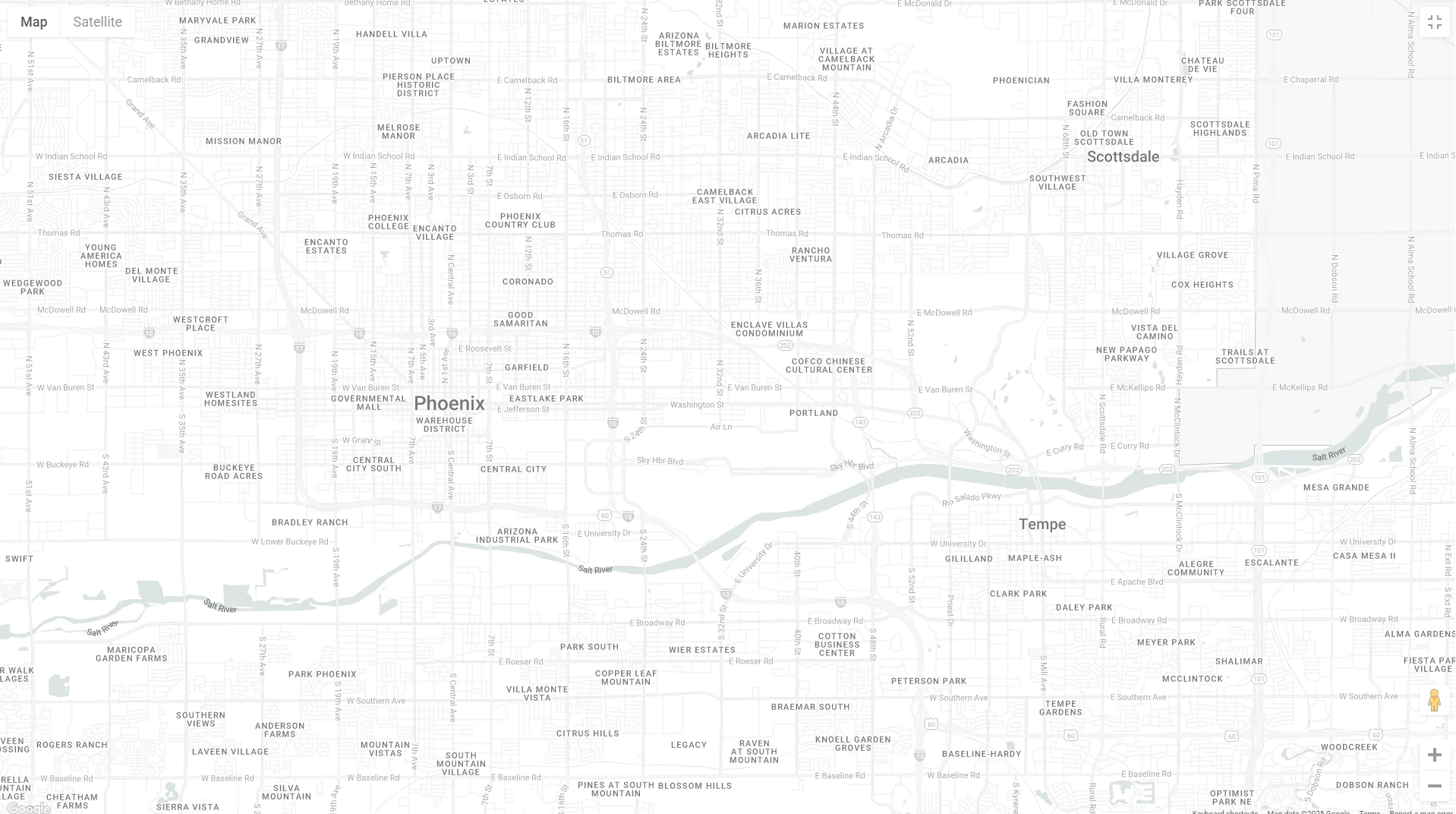
An image of the city of Phoenix, Arizona that is grayed out and set as a wide background image.

Get in Touch

Ready to get started? Fill out the form below to book an appointment or request more information—our certified notaries are ready to meet you at your preferred location, on your schedule. Let us take the hassle out of notarization!

Phone: (520) 347-8200

Name(Required)
Address(Required)
Drop files here or
Accepted file types: pdf, Max. file size: 125 MB.
    This field is for validation purposes and should be left unchanged.
    Copyright © 2024 - 2026 Phoenix Mobile Notary PublicLocal Web Design and Development by: Digital Brewers